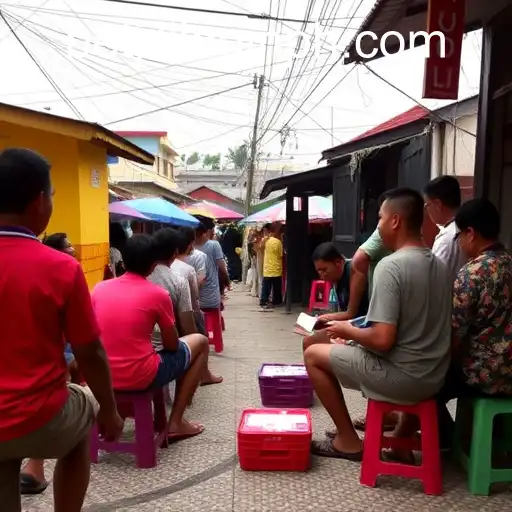
Understanding the Complex World of Jueteng in the Philippines
Jueteng, an illegal numbers game rooted deeply in the cultural fabric of the Philippines, continues to be a significant social and political issue. This grassroots lottery thrives despite various government efforts to eradicate it, drawing attention to the nuanced intersection of gambling, poverty, and policy enforcement in the country.
The Origin and Mechanics of Jueteng
Jueteng, believed to have been brought to the Philippines during the Spanish colonization, is a numbers game that involves betting on combinations derived from a draw. It typically consists of selecting a two-number combination from a set of numbers, traditionally between 1 and 37. The draws are conducted multiple times a day, offering frequent opportunities for bettors.
This game is predominantly operated at the community level, where local bet collectors, known as "kubradors," gather bets from residents. These local operators are often perceived as protectors of the community welfare, providing financial support when needed and helping to cement Jueteng's underground status.
The Societal Impact of Jueteng
Jueteng has profound implications for the Filipino society. For many in the poverty-stricken areas, it represents more than a mere gambling activity – it is seen as a potential means to escape financial hardship. The allure of improving one's circumstances through a small bet is compelling, underscoring the game’s resilience.
The entrenched nature of Jueteng within the societal and cultural framework implies that many people, irrespective of their socio-economic status, partake in these activities. This ubiquitous acceptance further complicates the prospects for regulation and elimination.
Efforts to Curb Jueteng
The Philippines government has consistently labeled Jueteng as illegal due to its non-compliance with regulatory standards. Various initiatives, including the introduction of a legal numbers game by the Philippine Charity Sweepstakes Office (PCSO), have aimed to undercut its popularity. However, persistent poverty levels and the deep-rooted societal acceptance have limited the effectiveness of these interventions.
Enforcement is another critical issue, as local law enforcement agencies often have their officials either succumbing to corruption or being actively involved in the operations. These challenges underscore the difficulties in applying legal pressure to a game that has become an ingrained community practice.
The Digital Age: Enter Betjili and Online Gambling
The proliferation of technology has also influenced gambling practices in the Philippines, giving rise to platforms like Betjili. Internet access across the archipelago amplifies the reach of digital betting, effectively competing with traditional games such as Jueteng in specific demographics.
Platforms like Betjili login Philippines enable users to participate in various gambling activities online, offering an attractive and easily accessible alternative. The convenience of placing bets without the necessity of physical presence is a significant draw, particularly for millennials and tech-savvy individuals.
Regulatory Challenges in the Digital Space
The rise of online gambling platforms presents new regulatory challenges. While these platforms often operate under the guise of legal businesses through foreign licenses, they also fall under the radar of effective local regulation. This gap in governance provides an opportunity for online gambling to grow unchecked, parallel to traditional street-level operations like Jueteng.
Furthermore, the cross-border nature of digital platforms further complicates efforts to enforce gambling laws, requiring international cooperation that is often difficult to achieve swiftly.
Economic and Ethical Considerations
Gambling, in any form, raises significant economic and ethical questions. While it offers an avenue for revenue generation and employment, especially through online platforms, the associated risks of addiction, financial ruin, and crime cannot be understated.
The Philippine government faces a multifaceted challenge in balancing the need for economic benefits with ethical governance. Crafting effective policies that consider the complex cultural context of games like Jueteng and the technological realities of online gambling must be a priority.
As the landscape of gambling evolves, both traditional and digital stakeholders must navigate a path that respects local customs while mitigating potential harm. Jueteng, with its historical roots, and newer platforms like Betjili login Philippines, present dual dimensions of an age-old social phenomenon in the modern era.